A basement cleanout is easier to quote and organize when you know what should leave, what must stay, and how the crew will reach it. For Connecticut homeowners preparing for a move, reclaiming storage space or handling an estate, a little planning can prevent confusion on removal day.
Start with decisions, not heavy lifting
Walk through the space and separate decisions from physical moving. Label items to keep, items to remove and items that still need a family member’s approval. Put small valuables, photographs, financial paperwork and keepsakes in a clearly separate area. You do not need to carry a sofa, refrigerator or pool table upstairs just to request an estimate.
For an estate cleanout, agree who can authorize removal before a crew arrives. If several relatives are involved, photograph disputed items and leave them in the keep area until everyone responsible has agreed. CM works with the agreed scope; a room full of belongings should not be treated as permission to remove everything.
- Mark what stays as clearly as what goes.
- Set aside keys, medications, documents and personal electronics.
- List bulky or unusually heavy items separately.
- Identify any items you want considered for donation without assuming they will be accepted.
Document the route from basement to truck
Access is part of the job. A walkout basement and a basement reached by a narrow interior staircase require different handling. Photograph stairs, tight turns, doorways, the exterior exit and the route to parking. Mention low ceilings, uneven steps and any fragile finishes along the way.
Whether your property is in Fairfield, Trumbull, Bridgeport or elsewhere in Connecticut, describe the actual site rather than assuming a crew knows its layout. In a shared building, ask the property manager about service entrances, elevator access and loading restrictions. Those are property-specific details, not rules that can safely be guessed from the town name.
Flag materials that need a separate answer
Do not put paint, unknown chemicals, fuel, damaged batteries or suspected hazardous materials into mixed junk bags. Describe them separately and ask what can be accepted. Municipal collection programs and disposal-facility rules can change, so check your town’s official information for materials outside the agreed hauling scope.
Appliances and electronics may also need different handling from ordinary furniture. Tell CM about refrigerators, freezers, televisions and other equipment when requesting the estimate. Recycling or donation depends on the item’s condition, applicable handling requirements and a receiving facility’s acceptance; it is not guaranteed for every load.
Ask for a scope-based estimate
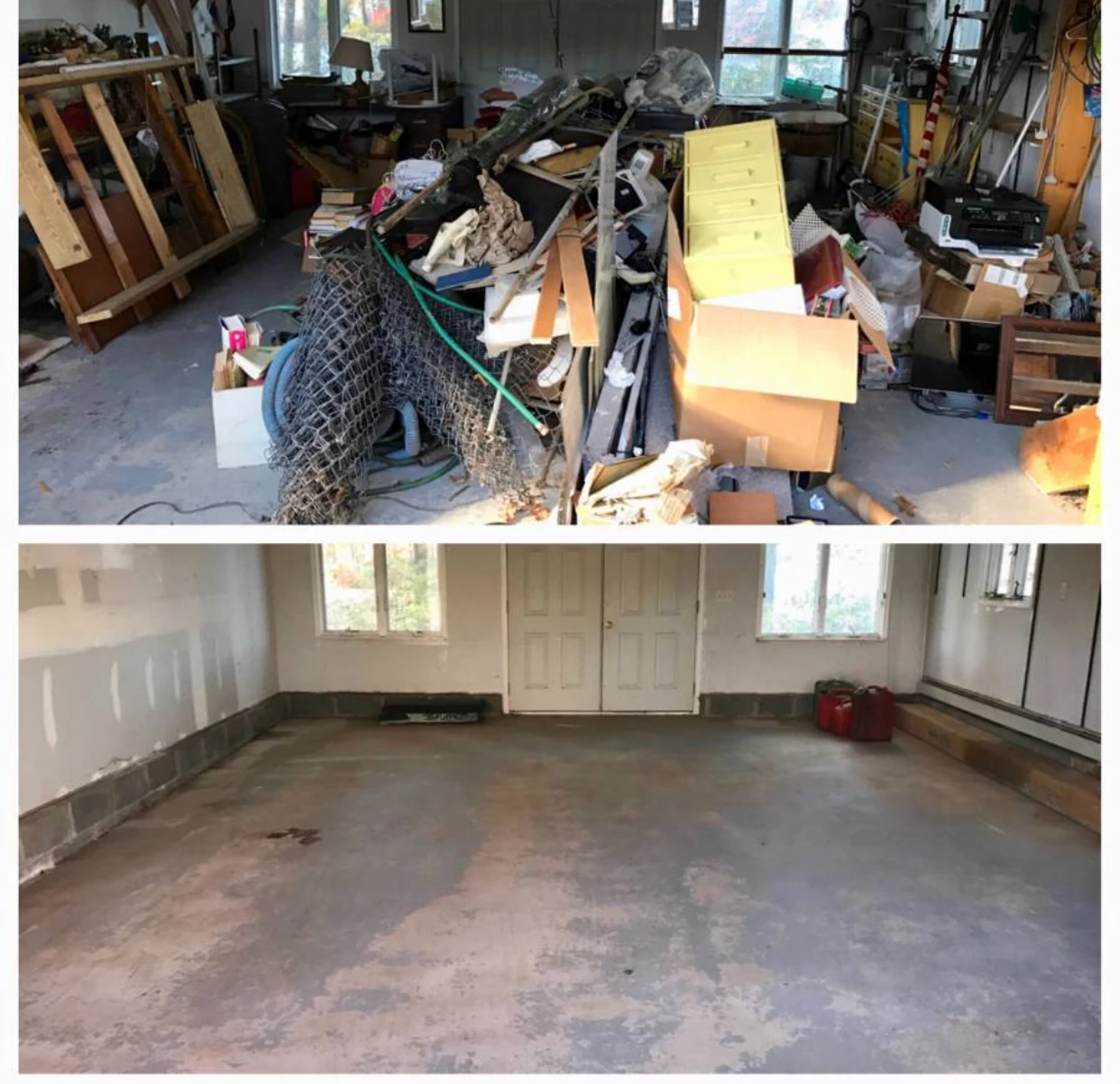
Useful estimate details include the approximate number of items, bulky pieces, loose bags or boxes, stairs, carry distance, parking and preferred timing. Wide photos help show total volume, while close-ups explain difficult or unusual items. Avoid sending images of personal documents or people without permission.
Confirm which rooms and items are included, whether dismantling is needed, what cleanup is included and how changes to the load will be handled. A submitted photo estimate request is not a confirmed appointment or final price. CM will discuss the job before arranging service.
Keep removal day clear and safe
Keep children and pets away from the carrying route. Clear small obstacles if it is safe, but leave unstable piles and heavy objects for discussion with the team. Make the keep area obvious and ensure the person authorizing the work can answer questions.
CM Junk Removal Services LLC serves Connecticut statewide. Use the free estimate form to share your basement project, selected photos and preferred timing, or call 203-726-1273. If a pool table, hot tub or another specialist item is part of the job, include it from the start rather than adding it after arrival.